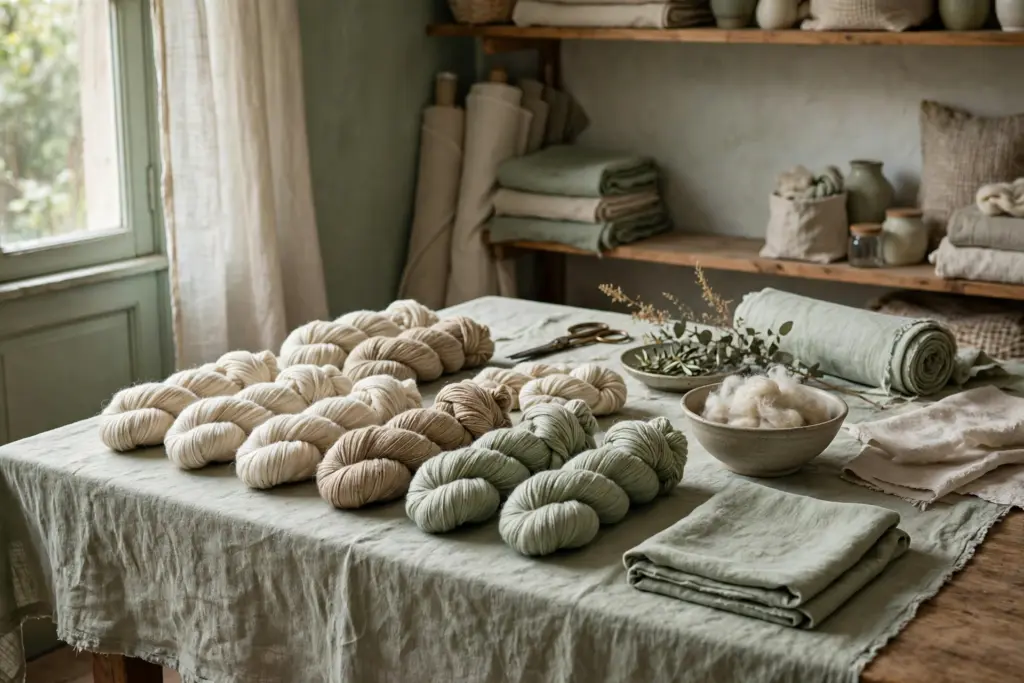
A wool grade describes how fine the individual fibers are, measured in microns, and the Super number on a suiting label puts that fineness into a traditional scale. Super 100s wool averages about 18.75 microns or finer. Higher numbers mean thinner fibers, a smoother hand, and usually a higher price.
That is the short version. The longer version matters if you sew, knit, weave, or simply buy cloth and want to know what you are paying for. Two labels can both say pure wool and feel nothing alike. One drapes like water. The other could stand a winter of hard wear and still look decent. The grade is a big part of why.
What a micron actually measures
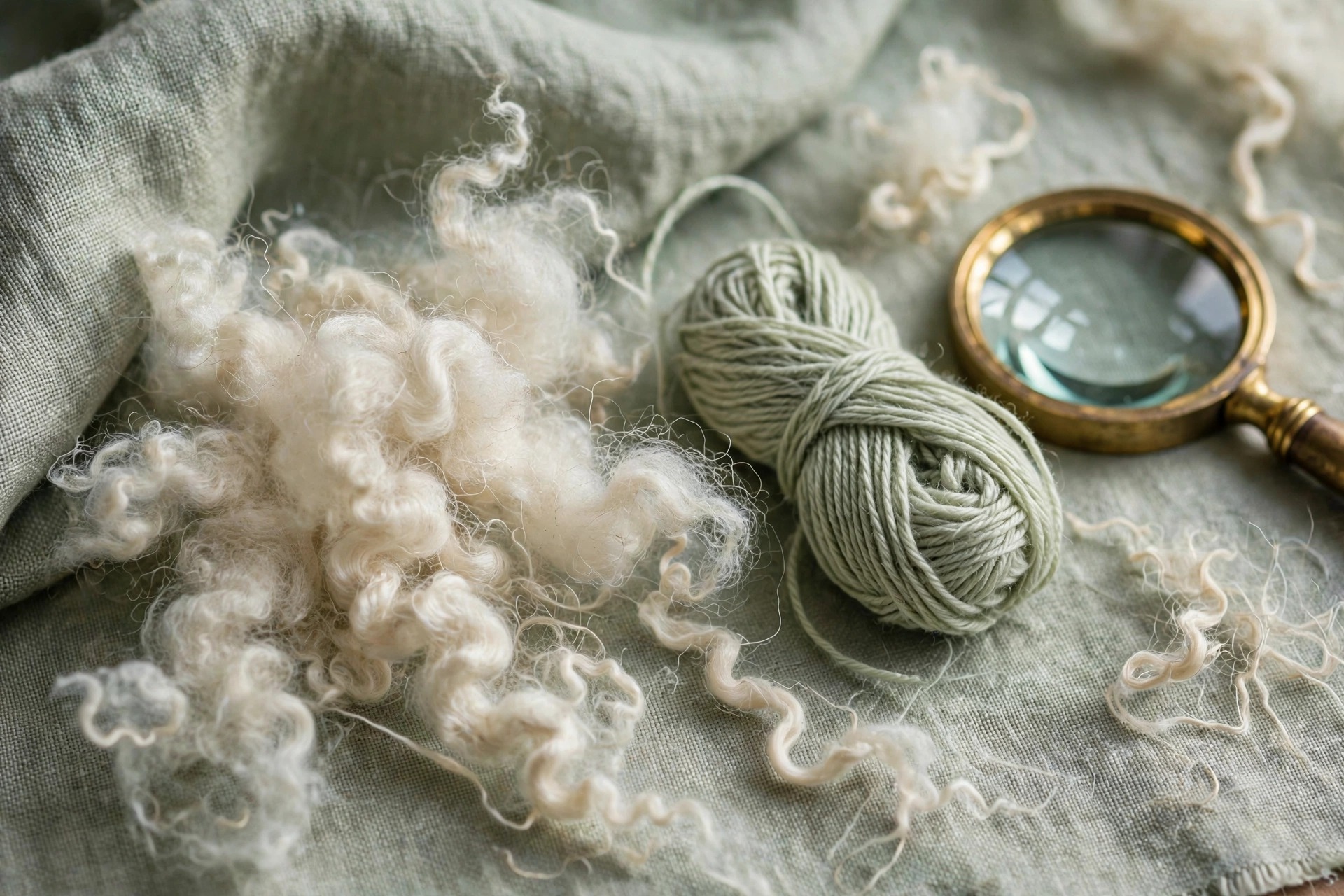
A micron is one millionth of a metre. In wool grading, the micron count is the average diameter of the individual fibers in a sample. You cannot judge it by eye. A single fine fiber is far thinner than a human hair, so graders measure samples with laboratory instruments and report an average.
Small differences count for a lot here. A fiber at 28 microns and a fiber at 18 microns do not sound far apart on paper. Against your skin, they are worlds apart. Thicker fibers are stiffer. They bend less easily, and their ends can press against skin and trigger that familiar prickle. Finer fibers bend sooner, so they feel soft rather than scratchy.
As a rough map, coarse wools sit above 30 microns and go into rugs, upholstery, and hard-wearing outer cloth. Medium wools, roughly 21 to 30 microns, suit blankets, jackets, and sturdy knitwear. Fine wools below about 21 microns are the suiting and next-to-skin territory. None of these bands is a quality verdict on its own. A coarse rug wool is not failed suiting wool. It is the right fiber for a different job.
Where the Super numbers came from
The Super system started with yarn, not marketing. English spinners once graded fine wool yarn by how many hanks could be spun from a pound of combed fiber. A hank in this count ran 560 yards. Finer fiber could be spun longer and thinner, so it earned a higher count. Super 100s, in the old sense, pointed to yarn spun to that level of fineness.
Modern cloth has kept the language and tightened the definition. The International Wool Textile Organisation, the IWTO, now links each Super grade to a maximum average fiber diameter. So the number on a label is no longer just tradition. It makes a claim you can check against a measured micron value.
The Super scale, grade by grade
Read the scale as a ladder. Each step up means a slightly finer fiber, and the steps get more demanding as you climb.
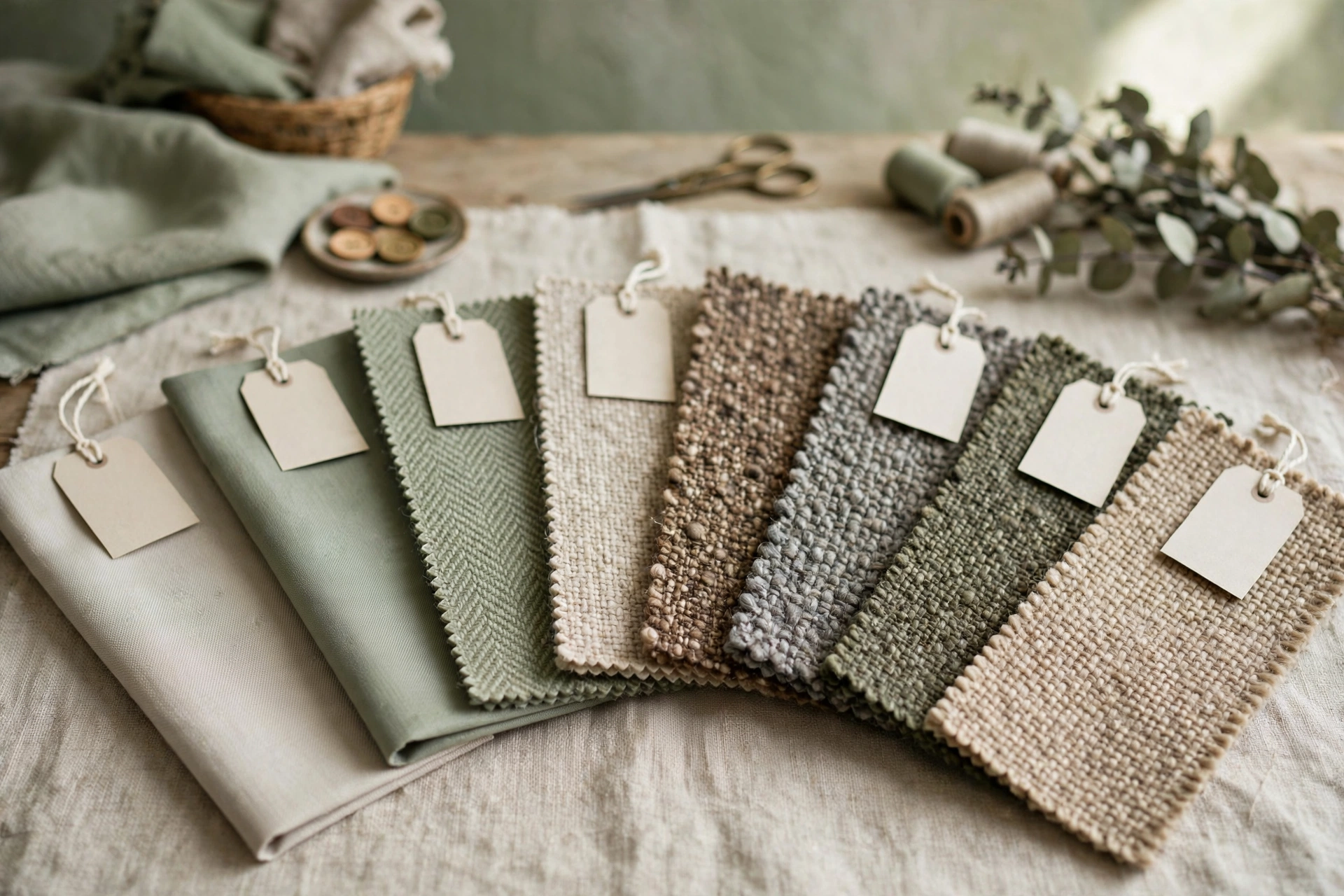
Super 100s means an average fiber diameter of 18.75 microns or finer, under the IWTO definition. Super 120s drops that ceiling to 17.75 microns. Super 150s drops it again, to 16.25 microns. Past that, the ladder keeps going in small steps: Super 180s sits at 14.75 microns or finer, and the very top grades go lower still.
Notice the pattern. Going from Super 100s to Super 120s shaves one micron off the ceiling. That sounds tiny, and in one sense it is. But fine fibers are scarce. Not every fleece produces them, and sorting, combing, and spinning them takes more care. A small step on the scale can mean a large step in price, and you feel it in the cloth: smoother surface, softer hand, cleaner drape.
One caution belongs here. The Super number describes the fiber, not the finished cloth alone. Weave, yarn twist, finishing, and fiber length all shape how a fabric behaves. Two Super 120s cloths from different mills can wear quite differently, even though the grade on the selvedge matches.
Why finer is not always better
Fine fiber gives you softness. It also asks for trade-offs, and honest cloth talk should name them.
Thin fibers break down faster under abrasion than thick ones. A very fine trouser cloth can shine at the seat, thin at the knee, and wrinkle through a long day. It may need rest days between wearings and gentler cleaning. A slightly coarser cloth, say a Super 100s rather than a Super 150s, often holds a crease better and shrugs off daily use with less fuss.
Think about the garment first. A jacket worn twice a week through winter? Durability deserves a vote. A dress garment for evenings and occasions? Fineness can take the lead. Knitters face the same choice in yarn form. A fine, soft yarn makes a lovely scarf and a poor sock, because heels eat soft yarn alive. Match the grade to the job, and the cloth rewards you. Ignore the job, and even expensive fiber disappoints.
The numbers the grade leaves out
Microns tell you diameter. They say nothing about length, and length matters almost as much. Staple length is the length of the fiber, and longer fibers spin into stronger, smoother yarn with fewer loose ends. Short fibers work their way out of the surface and form pills. So a yarn can be fine and still pill badly if the staple was short.
Crimp matters too. Crimp is the natural wave in the fiber, and it gives wool its bounce and loft. Crimpy fiber traps air, which is part of why wool cloth feels warm without feeling heavy. Then there is variation within the sample itself. An average can hide a mix, so better-graded lots also pay attention to how even the fibers are, not just the headline number.
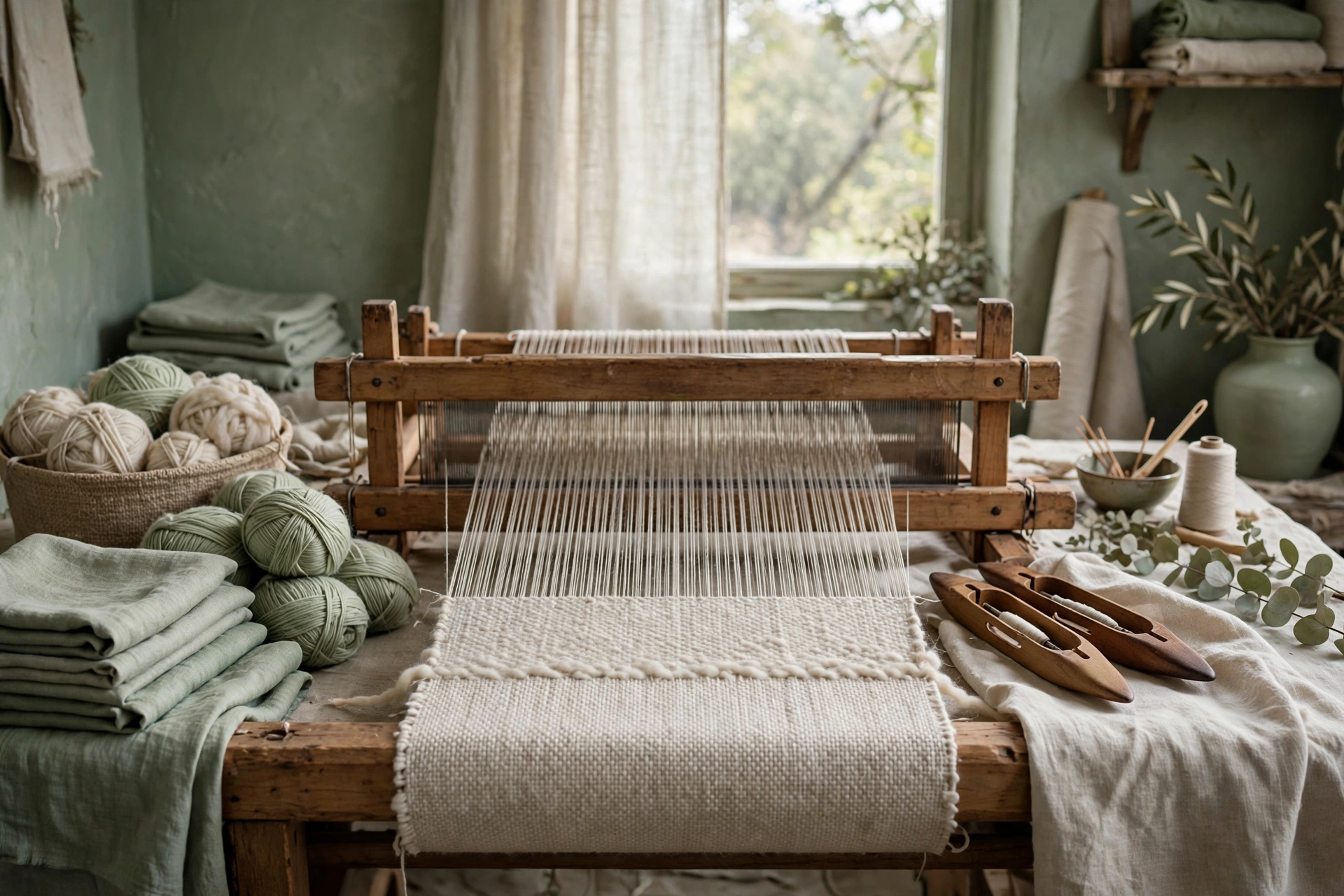
For hand spinners and small mills, this is where the craft sits. You sort a fleece by hand, you feel which parts run fine and which run coarse, and you decide what each part is for. The label number is a summary. The fleece, as always, is more complicated and more interesting than its summary.
How to use grades when you buy
Start with touch, then check the label, then think about use. Run the cloth across the inside of your wrist, where skin is more sensitive. If it prickles there, it will likely prickle at your neck and waist too. Check whether the label gives a micron count alongside the Super number. A maker who prints both is giving you something checkable, and that is a good sign.
Ask a few plain questions. How was the cloth finished? Is the yarn high-twist, which tends to improve crease recovery in suiting? What care does the maker suggest? And be a little wary of very high Super numbers on very cheap cloth. The fibers may be fine but short, the weave loose, or the finishing heavy with coatings that wash away. Price is not proof of quality, but a grade that seems too cheap for its number deserves a second look.
If you buy yarn rather than cloth, the same thinking applies in a different vocabulary. Look for the stated micron range, the staple or fiber source if the maker shares it, and honest notes about intended use. A good dyer or mill tells you plainly when a yarn is delicate. Believe them.
FAQ
Is Super 150s always better than Super 100s?
No. Super 150s cloth is finer and usually softer, with a smoother surface. Super 100s cloth is often tougher, holds its shape well, and suits everyday wear. Better depends on the garment and how often you plan to wear it.
What micron count feels itchy?
It varies by person, but prickle becomes common as average fiber diameter moves toward and past 30 microns, because stiffer fiber ends press against the skin instead of bending. Blends and finishes can soften that feel, so always test cloth against sensitive skin.
Does a higher Super number mean warmer cloth?
Not by itself. Warmth depends more on cloth weight, weave, and how much air the fabric traps. A fine, lightweight Super 150s suiting can feel cooler than a heavy medium-grade wool coating, even though its fibers are finer.
Can I trust a Super label on its own?
Treat it as one piece of evidence. The IWTO definition ties each grade to a maximum average fiber diameter, so the term has a real standard behind it. Still, fiber length, weave, and finishing shape the cloth too. Touch it, check for a stated micron count, and judge the maker by how much detail they share.
Grades exist to give you a shared language for fineness. Learn the language, and labels stop being decoration. They become the start of a better question: fine for what, and at what cost to wear and care? Answer that, and you will choose wool well.
This article was created with AI assistance and reviewed by our editorial team before publishing.