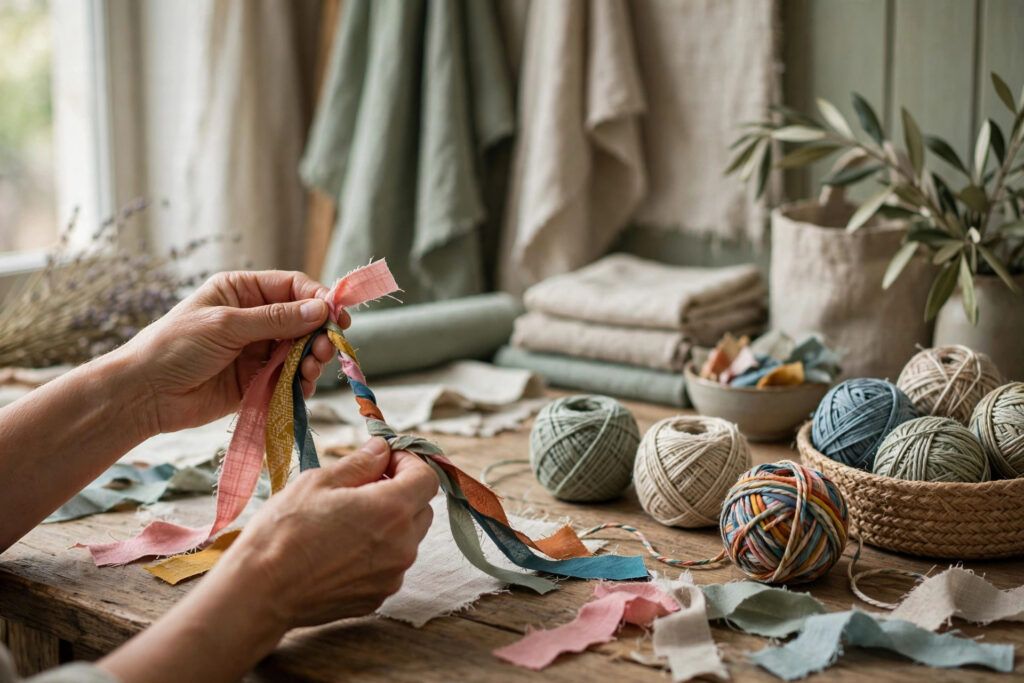
How to Make Fabric Twine From Scrap Strips
Fabric twine turns the scrap bin — torn sheets, worn shirts, the last half-metre of a print you loved — into a strong, flexible cord you can coil, weave, or…
Fabric twine turns the scrap bin — torn sheets, worn shirts, the last half-metre of a print you loved — into a strong, flexible cord you can coil, weave, or…
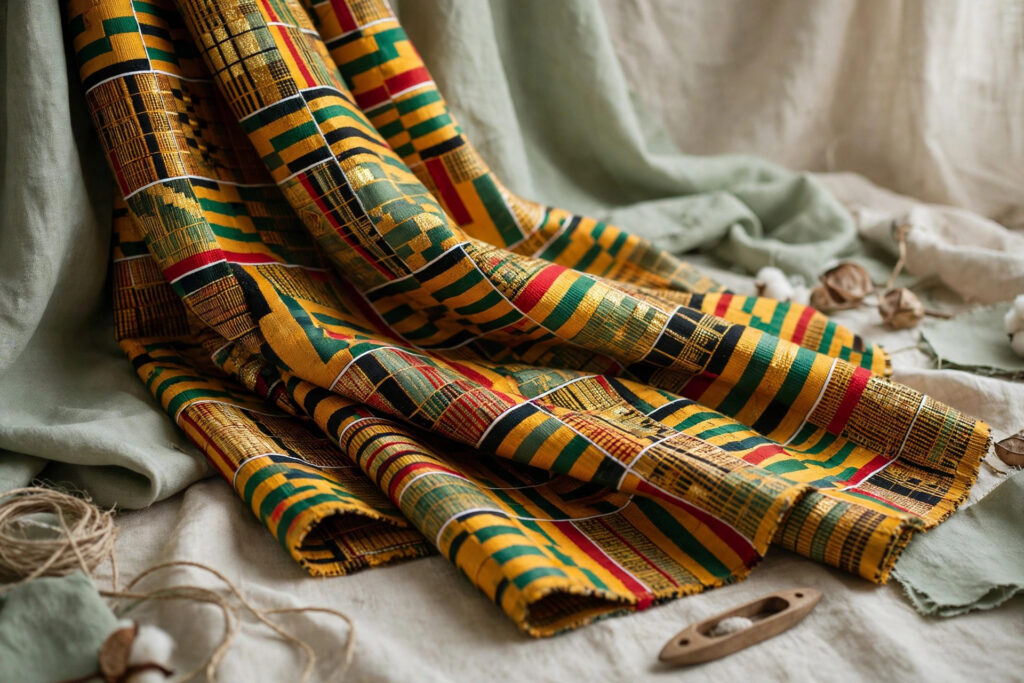
Kente cloth is Ghana's handwoven strip cloth, and it was never just decoration. Woven in narrow bands and sewn edge to edge, its blocks of colour and named patterns communicate…
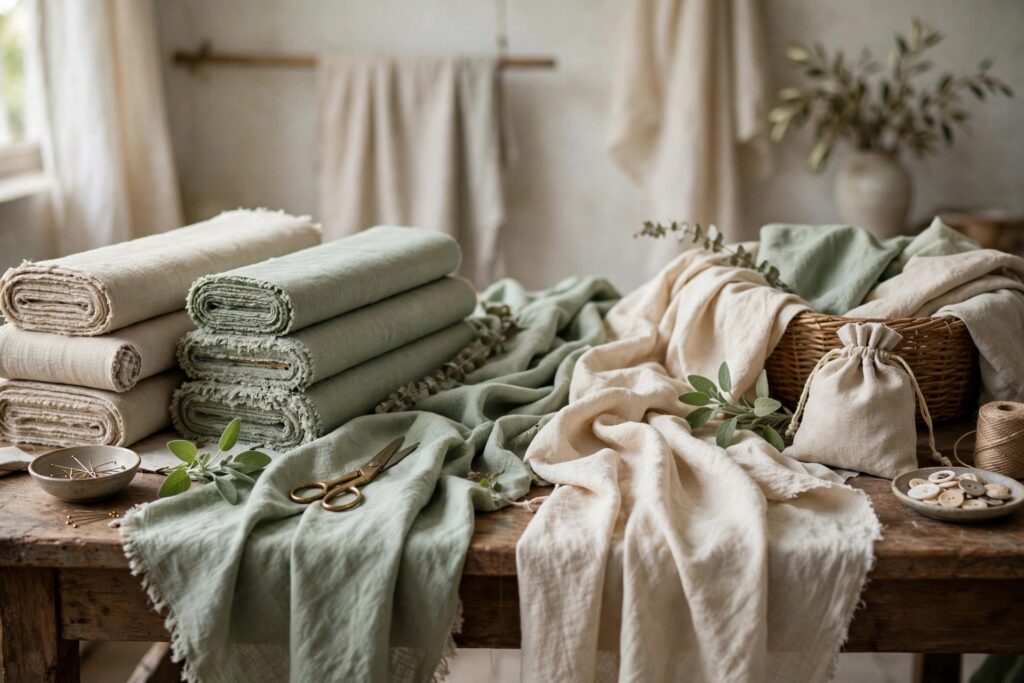
Fabric weight and drape decide whether a finished piece hangs softly, holds a clean line, or fights you at every seam. Weight is measured in GSM, drape is how the…
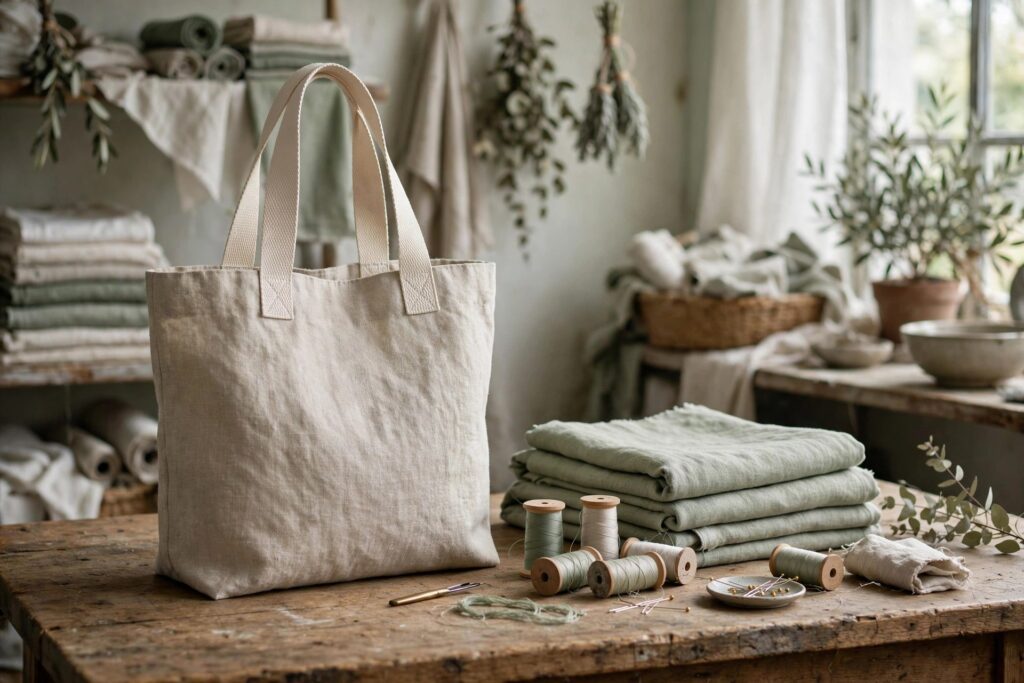
A sturdy linen tote takes about two hours and one yard of fabric. You'll cut two rectangles, stitch the sides, box the corners for a flat base, and finish with…
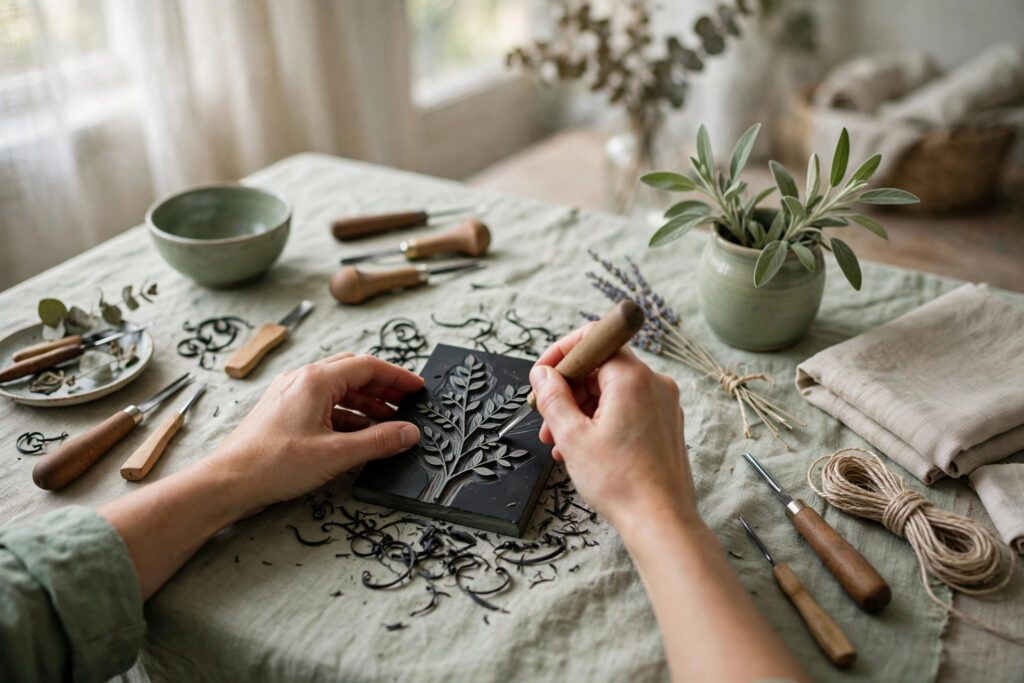
Block printing on fabric needs only a carved block, fabric paint, and a plain piece of cloth. You design a small motif, carve it in mirror image, ink the block,…
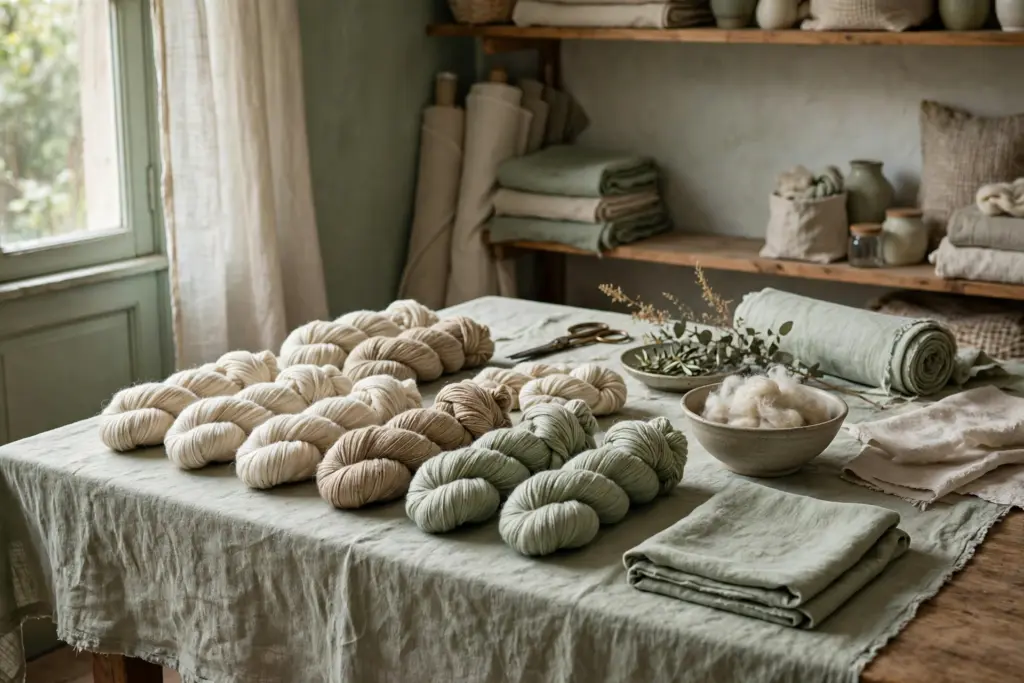
A wool grade describes how fine the individual fibers are, measured in microns, and the Super number on a suiting label puts that fineness into a traditional scale. Super 100s…
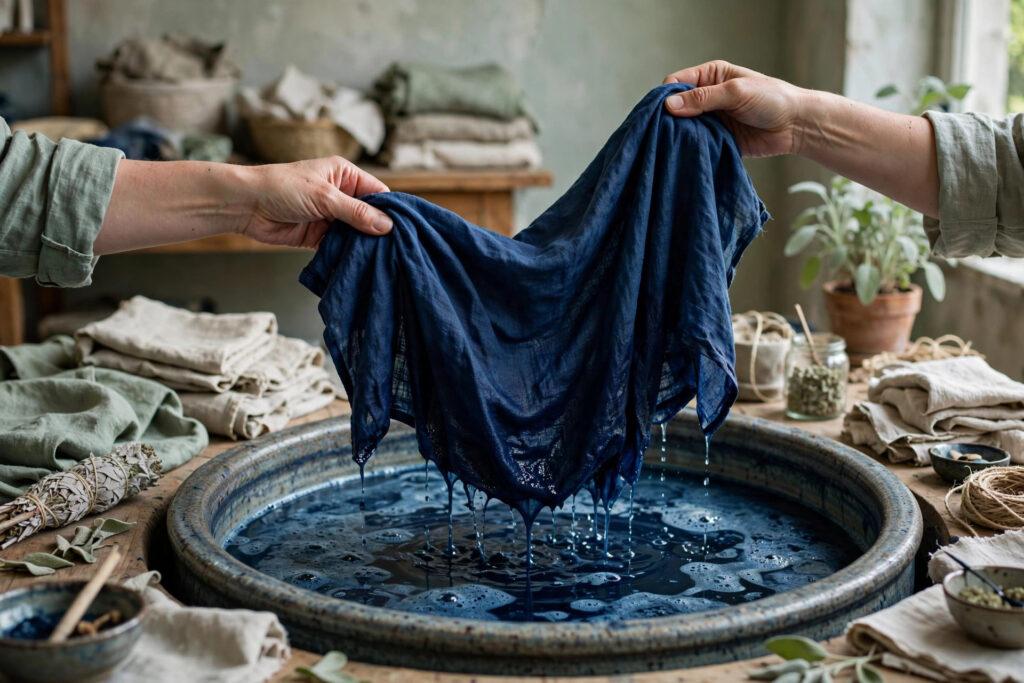
Indigo is a plant-based blue dye made from leaves that ferment into a greenish vat and turn cloth blue in open air. For centuries dyers in West Africa, India, and…
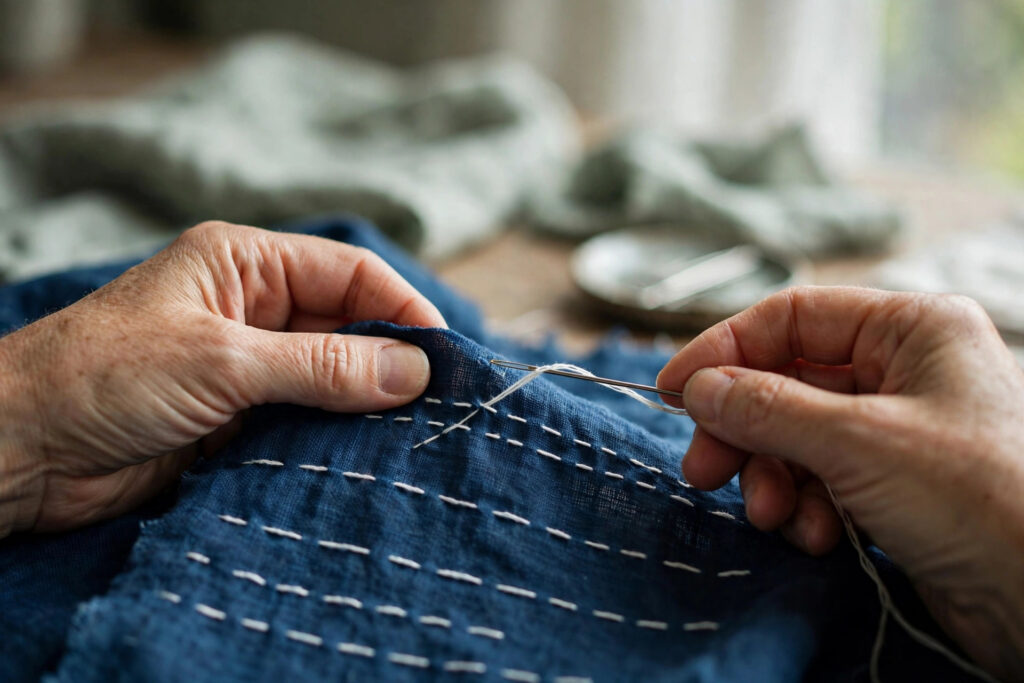
Sashiko visible mending is the Japanese art of repairing worn clothing with deliberate, decorative stitching. Instead of hiding a tear, you make it the most interesting part of the garment.…
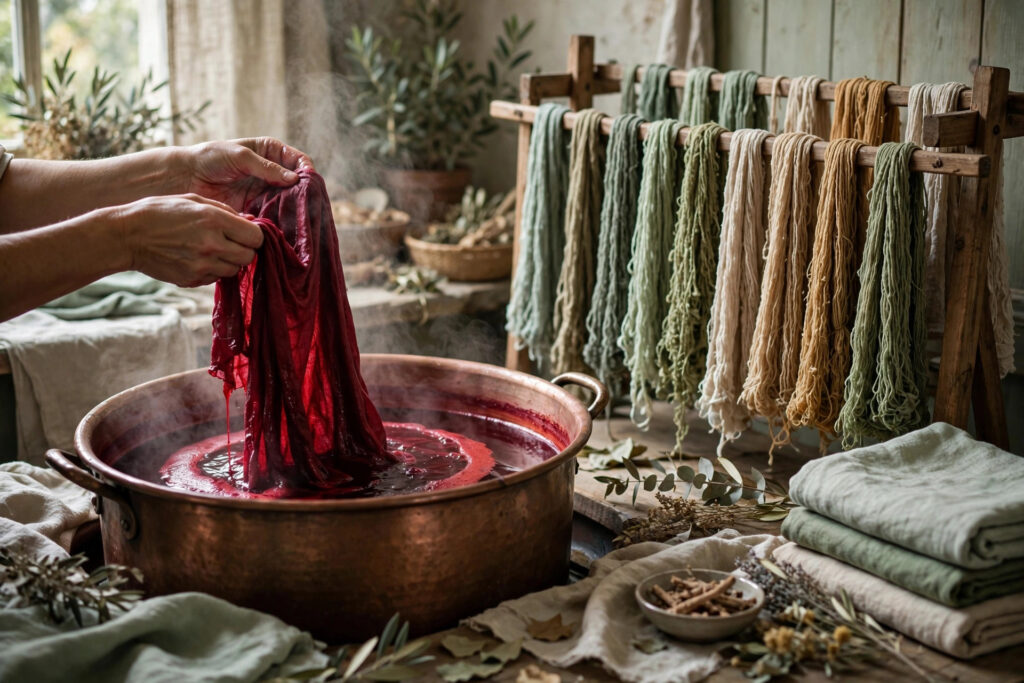
Botanical dyeing means coloring cloth with plants instead of factory-made dyes. You simmer leaves, roots, bark, or flowers in water, soak prepared fabric in the bath, and end up with…
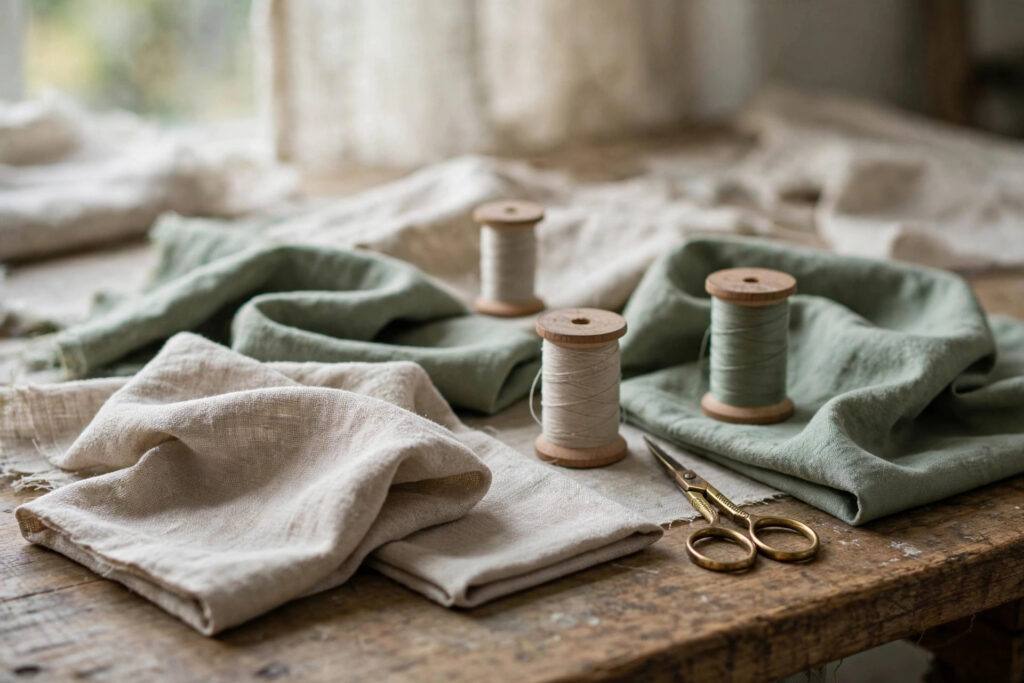
Linen vs cotton — which natural fabric suits your project? Pick linen when you want strength, breathability, and a fabric that improves with age: table linens, summer shirts, curtains, and…